Why Stabilizers Often Get Overloaded
Why Stabilizers Often Get Overloaded
In any community, certain people naturally become stabilizers.
These are people who tend to:
stay calm during tension
listen carefully
hold steady boundaries
think clearly when others are emotional
Because of that, others naturally gravitate toward them.
The pattern often becomes:
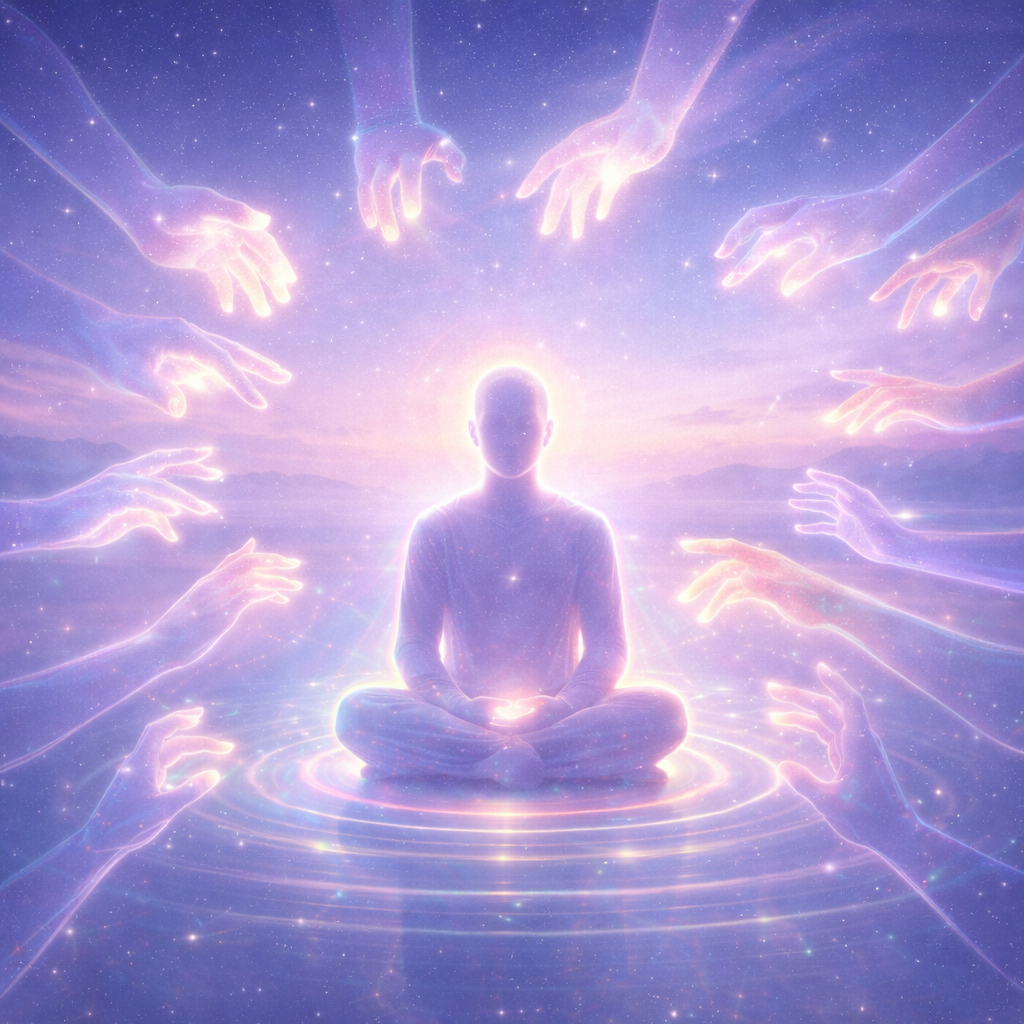
One person stabilizes.
Many people come to them.
That person slowly becomes overwhelmed.
This happens to therapists, teachers, community leaders, and even family members.
It’s not because they are doing anything wrong — it’s because the system around them doesn’t distribute support.
The Hidden Problem: The “Single Anchor” Pattern
Without structure, communities tend to rely on one or two emotionally steady people.
That creates what we could call:
The single anchor problem.
If too many people rely on one stabilizer:
the stabilizer burns out
the community loses balance
dependency grows instead of resilience
Healthy systems avoid this by spreading stability across many nodes.
Why Lumasphere Matters Here
Lumasphere quietly changes the structure.
Instead of one person holding stability for many people, the system reveals many stabilizers across the map.
People begin to see:
there are others nearby who are steady
stability exists in multiple places
support is not centralized
This reduces the pressure on any one individual.
From “Energy Sources” to “Stability Networks”
In a healthy field, stabilizers do not act as batteries.
They act as reference points.
Think of it like lights in a city.
If only one streetlight exists, everyone gathers around it.
If hundreds of lights exist, the entire area becomes illuminated.
No single light has to carry the whole burden.
The Shift in Mindset
Instead of thinking:
“I must hold the field for everyone.”
It becomes:
“I maintain my own stability, and others do the same.”
Together that creates a distributed field of steadiness.
What This Looks Like in Practice
When someone comes to you overwhelmed, you might:
listen
acknowledge their experience
remain calm
But you don’t absorb the emotion or take responsibility for solving it.
You remain stable.
Sometimes that alone helps the other person settle.
Sometimes they still need to work through things themselves.
Both outcomes are okay.
The Role of Systems
Healthy communities eventually create structures that help balance this naturally:
multiple support people
small groups instead of single leaders
shared practices that help everyone regulate
Lumasphere could become one way to make those stabilizing nodes visible, helping people find supportive environments without overwhelming any single person.
A Simple Way to Think About It
You are not meant to be the power source.
You are simply one steady point among many.
When enough steady points exist, the whole system becomes stronger.