Community
1. The Old Model of Community
Most human communities historically organized themselves around central figures:
a leader
a teacher
a healer
a guide
a spiritual authority
These people often became the emotional and decision-making center of the group.
This created stability in one sense, but it also created problems:
dependency on the leader
power imbalance
burnout for the central figure
collapse if the leader disappears
It’s a pyramid structure.
2. Sovereign Individuals Change the Structure
When people begin operating more independently — thinking for themselves, regulating their own emotions, and taking responsibility for their lives — the structure shifts.
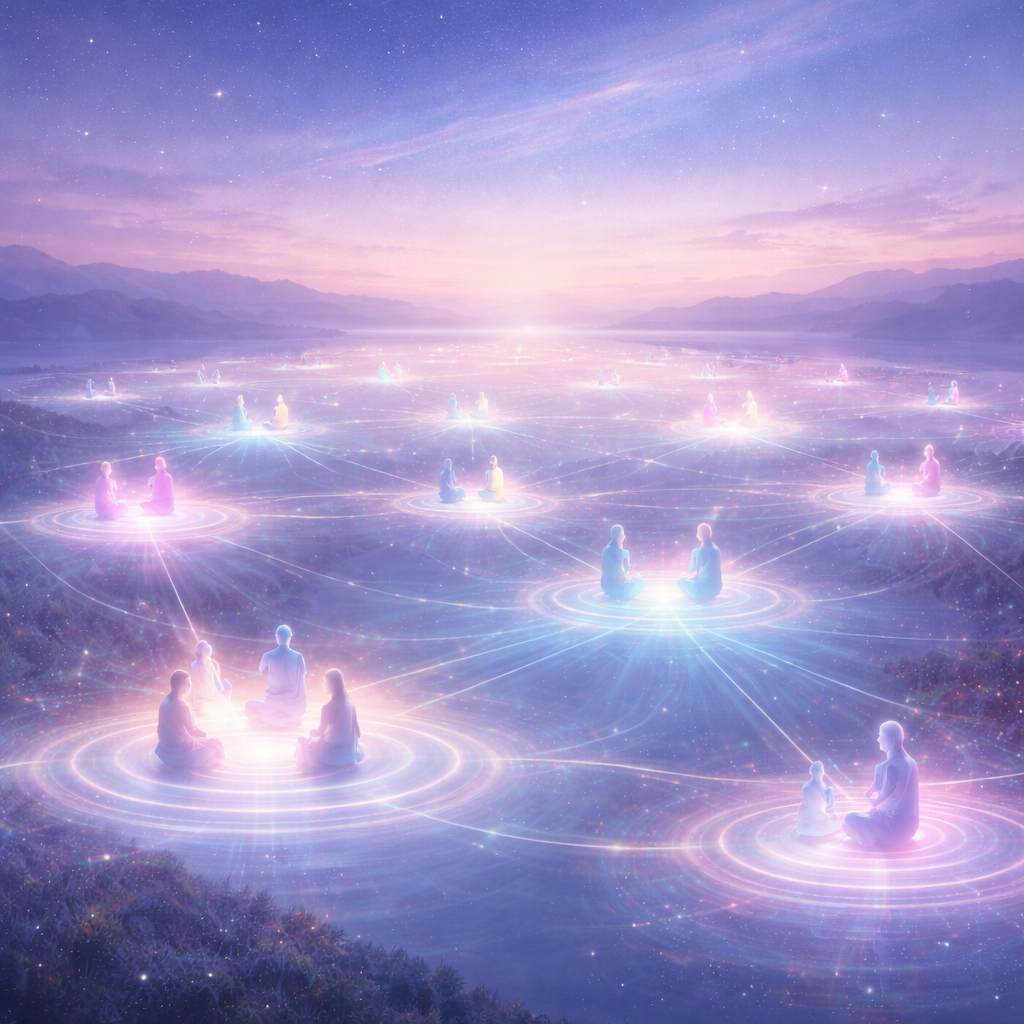
Instead of a pyramid, the community begins to look more like a network.
Each person remains responsible for themselves.
No one is above or below another.
People connect through shared values or mutual respect, not authority.
3. Connection Without Dependency
The key difference is this:
Old communities often relied on dependency bonds.
Newer, healthier communities rely on resonance and choice.
People stay connected because:
they enjoy each other’s presence
they learn from each other
they collaborate
they grow together
Not because they need someone to guide their life.
4. What Healthy Sovereign Communities Look Like
In these environments you usually see:
people offering insight without trying to control others
disagreement without hostility
shared learning rather than teaching from authority
boundaries respected naturally
emotional responsibility staying with the individual
People support one another, but they don’t carry one another.
5. The Role of Stabilizers in These Communities
Stabilizers still exist, but their role changes.
They are not leaders or energy sources.
They simply help maintain tone in the environment.
They may:
slow conversations when things escalate
remind people to return to clarity
ask thoughtful questions
model calm decision-making
They stabilize the quality of interaction, not the identity of the group.
6. Why Structure Still Matters
Even sovereign communities need light structure, otherwise confusion returns.
That structure usually includes:
shared agreements about respect
space for dialogue
clear boundaries around behavior
understanding that everyone manages their own emotional state
Structure supports freedom rather than limiting it.
7. Where Lumasphere Fits
Lumasphere isn’t trying to build a hierarchy or social network.
Instead it helps people see where regulated, grounded communities already exist.
People can move toward those environments naturally.
No one needs to declare themselves a leader.
The system simply shows where stable interaction is already happening.
8. The Long-Term Vision
If systems like this work well, something new becomes possible.
Communities can form that are:
self-organizing
collaborative
emotionally mature
not dependent on authority
They remain connected through mutual stability rather than control.
9. A Simple Way to Summarize It
Healthy communities are not built around someone holding power.
They are built around many people holding themselves responsibly.
When enough people do that, the whole environment becomes stable.